This article was prepared by the SimpleSUB Water team in collaboration with water submetering specialists who support homeowner associations and multifamily properties across the U.S.
Imagine your HOA’s water bill skyrocketing by 20% this year alone, while no one seems to know what’s actually causing the surge. Water costs rise every year. You already know that. But what most HOA owners want to know is why it is rising so much. In our work with HOA boards, this lack of visibility is one of the most common reasons water budgets spiral out of control.
When a homeowners' association shares one master water bill, individual usage remains hidden. That makes conservation difficult and budgeting unpredictable. An HOA water submetering implementation guide helps boards create transparency, improve fairness, and control long-term operating costs.
Many HOAs are facing increased pressure from aging plumbing systems, stricter municipal water regulations, and unpredictable utility rate increases. According to the U.S. Bureau of Labor Statistics, water and sewer rates have risen steadily over the past decade, outpacing general inflation in many regions.
Boards that rely on shared billing often struggle to explain rising costs to owners. Submetering brings clarity. When usage becomes visible, conversations shift from blame to data-driven decisions that protect reserves and support long-term planning.
Careful Planning
A strong HOA submetering project roadmap starts well before installation. Boards should evaluate plumbing layouts, local billing rules, and upfront costs. Submetering often results in a 15–30% reduction in water use once residents pay for their actual consumption. Early planning also clarifies funding strategies and the impact on reserves.
Boards that evaluate plumbing constraints and billing rules early typically avoid costly change orders and installation delays later in the project.
Planning also means reviewing governing documents and billing authority before selecting a system. Some associations need legal review to confirm billing methods or fee structures. Property managers should be involved early, since they handle owner questions and ongoing operations. Communities with older or mixed plumbing layouts might require alternative meter types, which are easier to address during planning than mid-installation.
Clear Communication
Clear messaging reduces resistance. Owners want to know how submetering affects their monthly costs and community finances. In a documented Colorado HOA case study, the association recorded a 38% reduction in water usage after switching to submetered billing. When boards clearly explain how to implement water submetering in HOA communities, engagement improves.
Boards that communicate early reduce confusion later. Written FAQs, sample bills, and open forums help owners understand timelines and expectations. Silence creates uncertainty, which often turns into resistance. Clear messaging positions submetering as a financial management tool rather than a surprise expense.
Consistent updates help owners feel informed, respected, and confident in board decisions throughout every stage of the submetering process.
Phased Execution
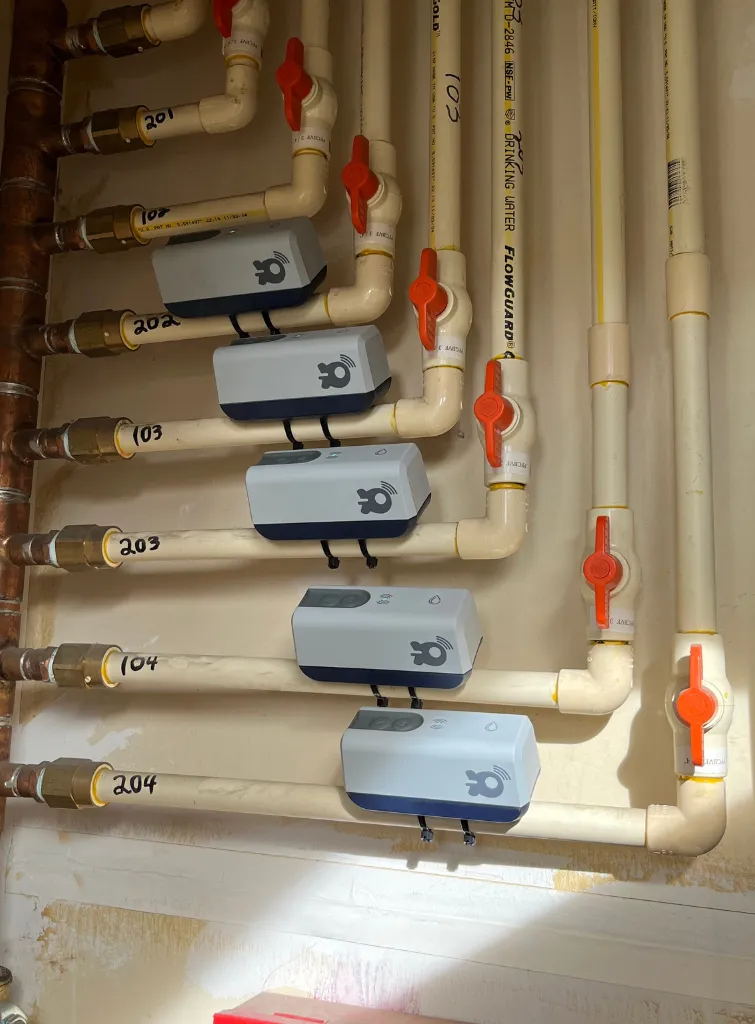
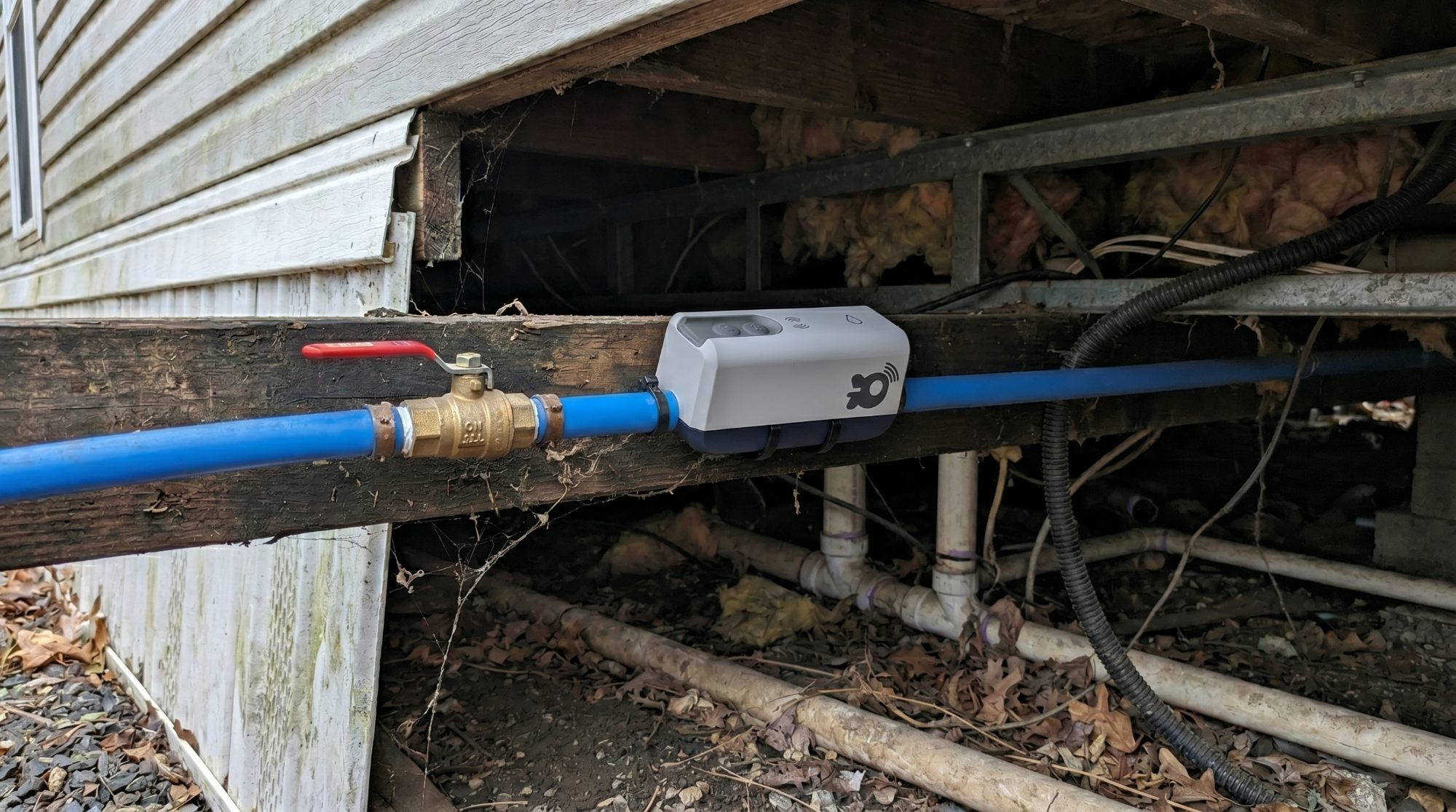
Phased installation works well for larger communities. Installing by building or zone reduces disruption and spreads costs. Many HOAs choose smart, non-invasive over-the-pipe water meters that install quickly and transmit readings remotely. This approach shortens timelines and reduces resident inconvenience.
Pilot phases give boards real performance data before full deployment. Early results help validate projections and reveal installation challenges while they remain manageable. Phasing also spreads capital costs over time, which appeals to communities working within strict annual budgets.
Gather Data
Collect at least 12 months of historical water bills before installation. Baseline data highlights seasonal trends and flags possible leaks. Post-installation comparisons make savings visible and measurable.
Baseline data strengthens credibility with owners. When boards later report savings, they can point to documented usage trends rather than assumptions. Historical data also improves leak detection after installation, since abnormal spikes become easier to spot against known patterns.
Define the Problem
Identify where excess water use occurs. Pools, irrigation, and shared amenities can inflate total consumption. Separately metering common areas ensures unit bills reflect resident usage and supports smarter infrastructure planning.
A clear problem definition prevents overspending. Communities that fail to separate unit usage from common area demand often misjudge system size and scope. Written documentation at this stage supports vendor comparisons and keeps the project aligned with its original goals.
Get Proposals and ROI Estimates
Request multiple vendor proposals that include equipment, software, billing services, and projected ROI. Review the Step-by-Step Checklist for Implementing a Water Submetering System guide to confirm scope and responsibilities.
Proposals should address more than hardware. Software usability, reporting features, and customer support affect daily operations. Boards should also review ongoing service fees and billing costs. Lower upfront pricing can lead to higher long-term costs, eroding projected returns.
Communicate with Owners and Secure Approval
Present data-driven projections at owner meetings. Show how submetering supports fairness, reduces disputes, and protects reserves. Real-world examples strengthen trust and accelerate the approval process.
Sample bills help owners visualize real outcomes. Seeing how charges relate to usage builds trust and reduces fear of unknown costs. Clear timelines are also important, since delays can affect vendor availability and pricing.
Install, Test, and Transition
After approval, schedule installation and test every meter. Provide basic training for managers and board members so billing questions are handled confidently from day one. Verifying meter accuracy and data transmission before the first billing cycle helps prevent disputes and builds early trust with residents.
A smooth transition depends on preparation. Owners should receive clear instructions on billing cycles, dispute resolution, and how to access usage data. Boards benefit from documenting procedures for meter testing, maintenance, and vendor support requests.
This reduces dependency on individual board members and protects continuity during leadership changes. Clear operational processes also strengthen compliance if questions arise from regulators or owners. When systems are easy to manage and understand, adoption accelerates and confidence in the project increases.
Monitor Results
Review usage regularly. Many communities see noticeable reductions within the first billing cycles as residents adjust their usage habits. Regular reviews also help boards identify leaks or abnormal usage patterns before they lead to costly repairs.
Assign responsibility for ongoing reviews to specific board members or managers. Dashboards, alerts, and scheduled reports keep the system effective long after installation. Monitoring protects the investment and supports future efficiency decisions.
Share Wins
Share progress reports with owners. Highlight savings, reduced waste, and operational improvements.
For a deeper overview, see the Water Submetering for HOAs: The Complete Guide.
Sharing results reinforces transparency. Regular updates show owners how behavioral changes affect costs. Over time, this builds a culture of accountability and positions the board as proactive stewards of community resources.
What’s Next?
If you’re looking to improve fairness and reduce water costs, start planning your submetering project now. Contact SimpleSUB Water today for a free demo, expert guidance, a proven implementation process, and resources.
*This blog post was written by water submetering specialists at SimpleSUB Water, a provider of unit-level water metering solutions for HOA and other residential and commercial properties across the U.S.
Disclaimer: This content is provided for informational purposes only and does not constitute legal, financial, or professional advice. Water submetering regulations and requirements vary by state and municipality. HOA boards should consult qualified legal, accounting, and engineering professionals before proceeding.
Sources and Further Reading:
https://www.simplesubwater.com/resources/ultimate-guide-to-water-submetering
https://www.simplesubwater.com/resources/colorado-hoa-submetering-case-study
https://www.simplesubwater.com/how-it-works
https://www.epa.gov/watersense/get-started
https://fl.cooperatornews.com/article/submetering-for-savings
https://www.simplesubwater.com/resources/water-submetering-for-hoas-the-complete-guide
https://data.bls.gov/timeseries/CUSR0000SEHG
Request a Demo
We'll design an affordable, easy-to-install solution for your submetering project, large or small.