A Financial Impact Comparison of RUBS vs. Submetering
If you’re still using Ratio Utility Billing Systems (RUBS), you are probably losing thousands of dollars a year without realizing it. The good news is that you don’t have to! Once you learn how much you’re actually losing, you will immediately realize something must be done to stop it!
When billing tenants for water in multifamily properties, property owners and managers face a choice between RUBS and submetering. Both aim to recover utility expenses, but they differ significantly in terms of fairness, tenant satisfaction, cost recovery, dispute frequency, and long-term impact on net operating income (NOI).
Today, we are going to dig into how RUBS actually works. How submetering works, and why submetering comes out ahead for both tenants and owners. We’ll also provide you with links to practical resources that will give you the additional information you need to make informed decisions on how to improve your property’s performance.
What Is RUBS, and How Does It Work?
RUBS is a billing method that divides a property’s total water cost among tenants using a formula rather than measuring actual usage. Common factors include square footage, number of occupants, or bedroom count.
Here’s the process:
- The property receives one master water bill.
- A formula splits the bill across units.
- Tenants receive individual charges based on that formula.
Does that sound fair to you? More about that in a moment.
RUBS is often chosen because there’s no need for hardware installation, no meters to maintain, and implementation is quick with a low upfront cost.
But don’t let that simplicity fool you!
What Is Water Submetering?
Water submetering means installing a separate meter for each apartment unit to track actual individual consumption. That usage data becomes the basis for billing tenants.
Submetering systems range from digital integrated platforms to advanced systems with remote reading and tenant portals. Submetering goes beyond allocation formulas. It gives precise usage data for every unit. This one difference changes the game for fairness, satisfaction, and long-term financial outcomes.
If you’re implementing submetering for the first time, refer to this: Step-by-Step Checklist for Implementing a Water Submetering System.
Comparing the Fairness and Accuracy of RUBS vs. Submetered Water Billing

One of the biggest debates in multifamily billing is, “Is RUBS fairer than submetering?
The short answer: No. RUBS estimates usage. Submetering measures it.
How RUBS Allocates Costs
RUBS uses indirect factors. For example, let’s say you have a tenant who meticulously conserves water but pays the same as a wasteful neighbor in a similar unit because the bill is split by unit size rather than consumption, which can lead to resentment. And since there’s no actual usage data, tenants have no visibility into what drives their bills.
How Submetering Allocates Costs
With submetering:
- Each tenant only pays for what they actually use.
- Water conservation becomes logical and rewarding.
- Billing transparency increases dramatically.
This leads to significantly different tenant perceptions of fairness and transparency.
Tenant Satisfaction When It Comes to RUBS vs. Submetered Billing
Tenant satisfaction with RUBS vs. submetering billing trends clearly favors submetering. When tenants understand what they’re paying for, satisfaction rises. When they feel a billing method is a guess, complaints rise.
Typical Tenant Complaints with RUBS
Here are the most common complaints from tenants with RUBS billing.
- Charges seem arbitrary.
- Bills are unpredictable and can vary wildly month-to-month (this is due to catch-up bills for past estimated usage that was too low).
- Billing disputes are common.
Submetering Reduces Disputes and Waste
Submetering reduces water billing disputes by giving tenants visibility into their actual usage. Property managers can also identify leaks or unusual usage patterns sooner.
So, instead of disputes over formulas, tenants and managers have data, which is a powerful tool for trust and accountability.
Does Submetering Save More Money Than RUBS?
Yes, EPA data shows properties with submetering often achieve deeper cost savings. A two-year study of water billing practices in the multifamily residential sector found that submetering achieved statistically significant water savings of 15.3 percent (21.8 gal/day/unit). Additionally, there was no statistically significant reduction in water use with RUBS when compared to traditional in-rent arrangements. In fact, the data showed the difference was not statistically different from zero!
This means submetered properties don’t just charge more fairly, they also drive behavior that reduces water waste. Lower water usage means lower master bills and higher cost savings passed through to the bottom line.
Tenant Cost Recovery and Owner Cash Flow
Both RUBS and submetering help with tenant cost recovery, shifting water costs from the owner to the tenant.
But how much?
RUBS Tenant Cost Recovery
RUBS can recover a meaningful portion, but it’s still an approximation and typically recovers less than submetering because tenants aren’t charged for their exact usage.
Submetering Tenant Cost Recovery
Submetering recovers 90–100% of water costs because billing is matched to actual use, reducing the owner’s unrecovered expenses and improving cash flow. That means every dollar tenants spend on water is tracked and billed accurately.
Net Operating Income Impact
Here’s where submetering really separates itself from RUBS.
RUBS Impact on NOI
RUBS offers short-term utility cost recovery but misses a larger opportunity. Because tenants aren’t accountable for real usage, waste often persists, and unmanaged waste eats into NOI.
Submetering Impact on NOI
With submetering, owners benefit from:
- Higher utility recovery rates.
- Reduced water waste and leaks.
- Lower vacancy and turnover due to fewer billing disputes.
- Increased tenant satisfaction and retention.
- Higher property valuation.
Decreases Property Marketability and Tenant Retention
Increasingly, renters expect transparency. In fact, many renters report that clear and fair billing practices influence their lease renewal decisions. Therefore, if your property uses RUBS, you could lose tenants to competitors with more transparent water billing.
Legal Risk and Regulatory Trends
As utilities and municipalities tighten oversight, RUBS faces scrutiny. Some states are considering restrictions on RUBS billing because it’s not based on actual usage and can be perceived as misleading.
Submetering avoids many legal headaches because it directly measures usage, aligning with regulatory expectations on transparency and fairness. For example, in Colorado, HB1090, which will take effect January 1, 2026, outlaws drip pricing and other deceptive practices. Submetering is a way to future-proof your property.
Real-World Waste and Dispute Examples
According to SimpleSUB Water, submetering led to:
- 15–30% lower water usage after installation.
- Faster identification and fixing of leaks.
- Fewer disputes due to transparency.
- Reduced complaints overall.
One property manager said they were constantly chasing leaks and high bills before submetering and now catch issues before they become costly problems.
Philadelphia Water Submetering Case Study: Brewerytown Apartments
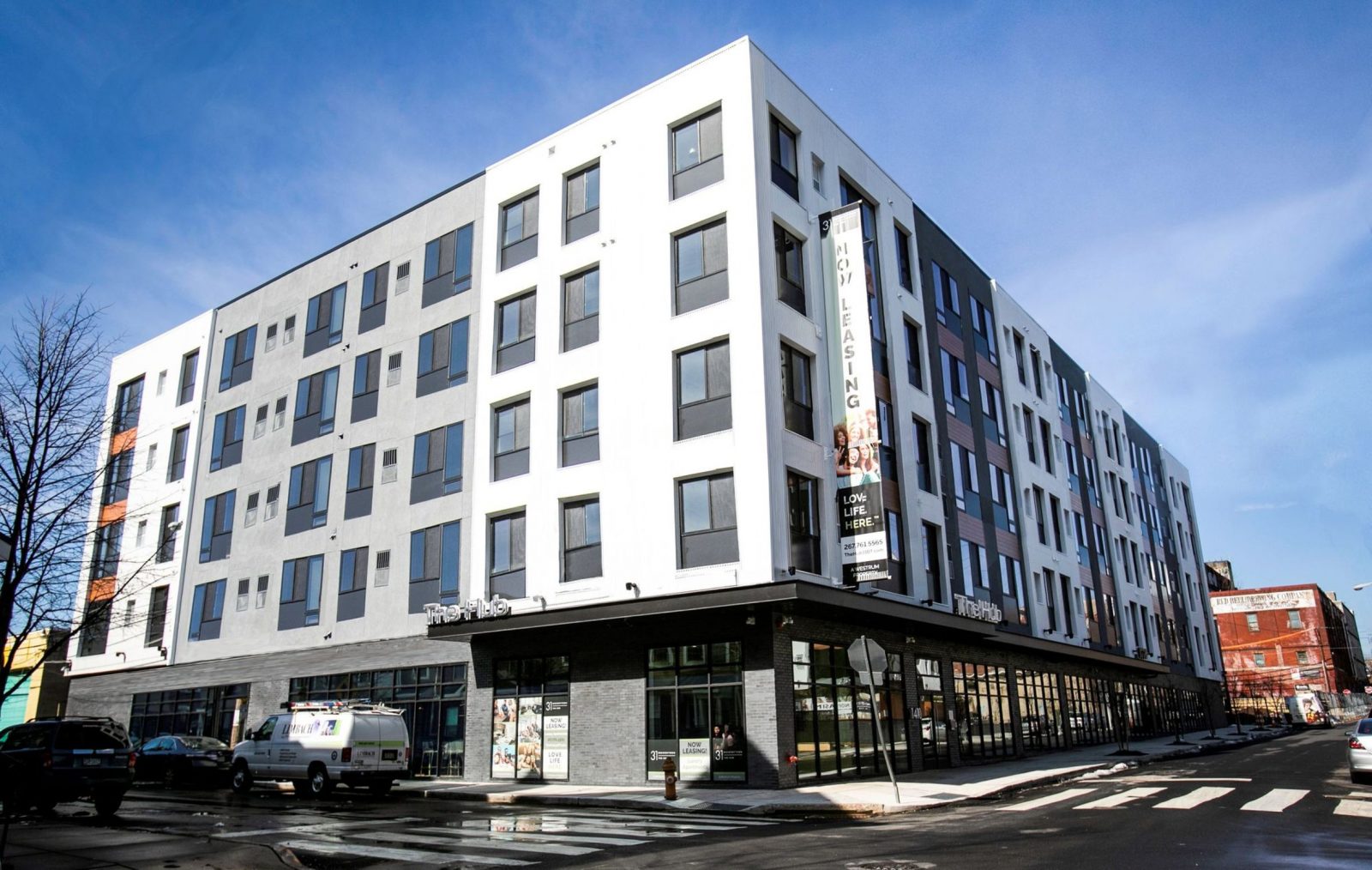
According to the Brewerytown Apartments manager, “Philly has really high water rates. So, $25 per unit wasn’t covering the $300–$500 per building we were getting billed.” “Before SimpleSUB Water, we were constantly chasing leaks and wasting money. Now, we can identify and fix issues before they get out of hand. Those savings have already justified the investment!”
FAQs
Here are some of the most common questions concerning RUBS vs. submetering.
1. Is RUBS fairer than submetering?
No. RUBS allocates costs using estimates, while submetering bills tenants based on actual usage. Submetering is objectively fairer.
Does submetering save more money than RUBS?
2. Does submetering save more money than RUBS?
Yes. Submetering often results in greater reductions in water use than RUBS because tenants can control their own bills.
3. Do tenants like submetered billing?
Yes. Tenants report less distrust and fewer disputes when billing reflects actual usage.
4. What is needed to switch from RUBS to submetering?
It depends on your plumbing and building. Many properties can install submeters with minimal disruption. SimpleSUB Water flow meters are non-invasive, cell-connected, battery-powered, and installed over the pipes.
5. Does submetering improve the net operating income impact?
Yes. Submetering increases utility cost recovery, reduces waste, and improves tenant retention, which boosts NOI and property value.
Wrapping It All Up
When comparing submetering benefits vs. RUBS drawbacks, submetering emerges as the superior method for fairness, tenant satisfaction, cost recovery, dispute reduction, and net operating income impact.
RUBS was designed as a workaround when submeters weren’t available. But modern submeters bring transparency, accountability, and real savings. As a result, landlords and tenants both win with submetering.
Are You Ready to See How Modern Submetering Can Skyrocket Your NOI?
If you’re ready to modernize your utility billing and unlock higher NOI and tenant satisfaction, check out the following:
The Complete Apartment Water Submetering Guide
And for additional information, go to:
The Ultimate Guide to Water Submetering
And, if you want to go straight to the water submetering solution, go to:
SimpleSUB Water today!
The sooner you install your submeters, the sooner you’ll see the savings!
DISCLAIMER: The information provided in this guide is for general educational and informational purposes only. It is not intended as legal, financial, or engineering advice, nor should it be relied upon as a substitute for professional consultation. Property owners and managers should consult with qualified experts, local authorities, and licensed contractors before making decisions regarding water submetering, tenant water billing, or related utility management practices. SimpleSUB Water makes no representations or warranties, expressed or implied, about the accuracy, completeness, or applicability of the content in specific situations. All utility regulations, building codes, and compliance requirements vary by jurisdiction and are subject to change.
Sources and Further Reading:
https://www.simplesubwater.com/resources/ultimate-guide-to-water-submetering
https://www.simplesubwater.com/resources/the-complete-apartment-water-submetering-guide
https://www.simplesubwater.com/resources/hb25-1090-guide-for-colorado-landlords
https://www.simplesubwater.com/resources/philadelphia-water-submetering-case-study
Request a Demo
We'll design an affordable, easy-to-install solution for your submetering project, large or small.