Water submetering has a reputation problem in mobile home parks. Many owners picture torn-up ground, angry tenants, and water shutoffs that spiral into complaints. That fear keeps parks stuck with rising utility costs and unfair billing. In reality, most disruption comes from outdated installation methods, not from the submetering itself.
Across occupied mobile home parks we’ve supported, many with aging infrastructure, modern submetering methods have proven that accurate meters can be installed with minimal disruption, no pipe cutting, and far less stress for tenants.
This guide explains how to install mobile home submeters the right way, step by step, while protecting tenant relationships and controlling costs. It also supports the broader strategy outlined in Water Submetering for Mobile Home Parks: The Complete Guide and shows how newer technology has changed what’s possible.
Why Minimizing Tenant Disruption During Water Submetering Installation in Your Mobile Home Park Is So Important
Tenant disruption carries real financial risk. Extended water shutoffs can trigger complaints, increase turnover, and create legal exposure in states with habitability standards tied to water access.
In several occupied parks, we’ve worked with non-invasive submeters that were installed home by home while tenants continued normal water use, with most only noticing installers were present.
The U.S. Environmental Protection Agency reports that submetering can reduce water use by 15–30% when tenants are billed for actual consumption. Those savings depend heavily on tenant acceptance. In parks where installation creates inconvenience or confusion, usage reductions often fall short because trust quickly erodes.
Smooth installations protect tenant relationships, reduce staff workload, and help ensure submetering delivers long-term savings instead of short-term friction.
Understanding Your Park’s Existing Water Infrastructure
Every successful installation starts with a site assessment. Mobile home parks vary widely in layout, age, and plumbing design.
Most parks fall into one of these categories:
- Individual service lines feeding each home from a master system
- Shared laterals with aging materials like galvanized steel or PVC
- Buried lines with limited access points
Older parks often face additional challenges like freeze risk, undocumented repairs, or limited shutoff control. In our experience, these conditions are common in communities built before the mid-1990s and play a major role in meter selection.
Understanding these constraints determines whether traditional inline meters are practical or whether non-invasive solutions make more sense. Skipping this step leads to inaccurate readings, higher labor costs, and tenant complaints later.
Overview of Water Submeter Installation Methods
Let’s take a look at two of the most common submeter installation methods.
Traditional Inline Submeters
Inline meters are installed by cutting into the water line and placing the meter directly in the flow path.
This method delivers accurate readings but requires the following:
- Water shutoffs
- Skilled plumbing labor
- Excavation or pipe exposure
- Restoration work after installation
Inline meters work well in new construction or full rehabs. In occupied mobile home parks, they introduce avoidable disruption.
Clamp-On Ultrasonic Submeters
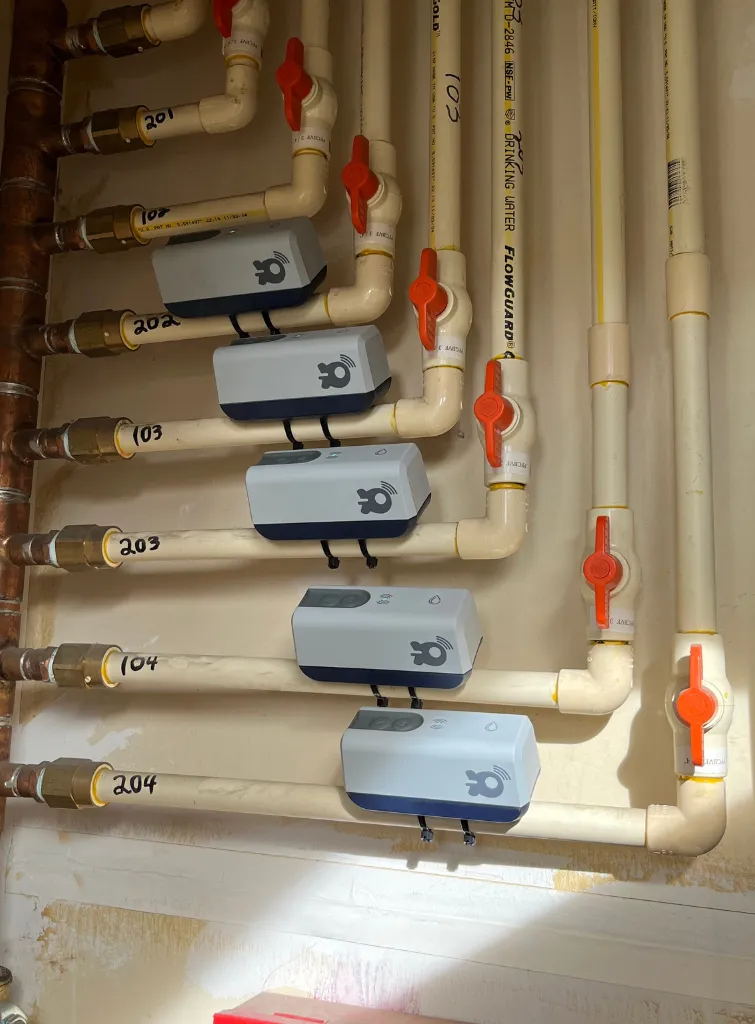
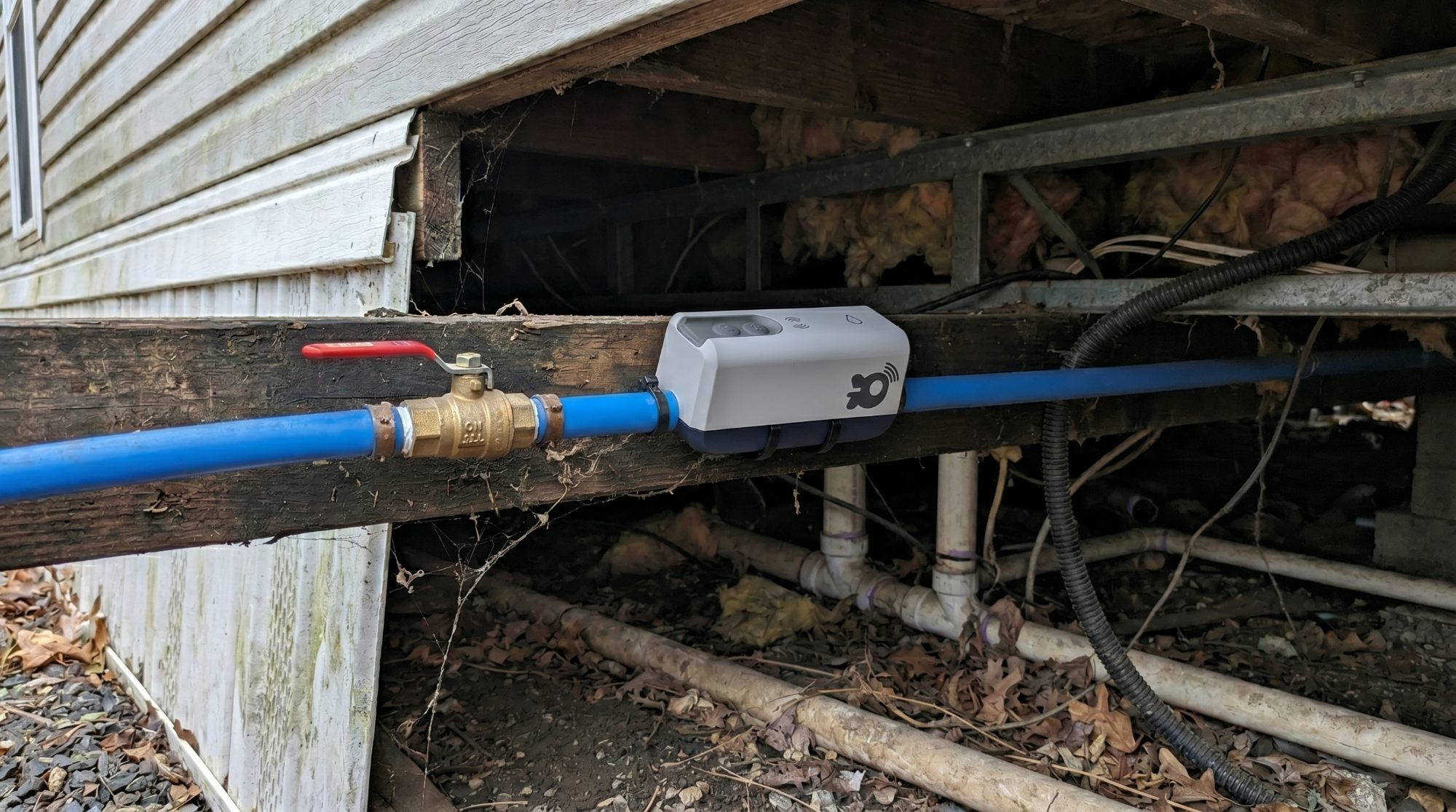
Clamp-on ultrasonic meters attach to the outside of the pipe and measure flow using sound waves. No cutting. No water shutoffs.
According to International Process Solutions, correctly installed ultrasonic meters are well documented to meet industry accuracy standards for billing applications. These meters perform especially well in retrofit environments where maintaining service continuity is important.
In occupied mobile home parks, clamp-on meters often significantly reduce installation timelines while avoiding tenant disruption entirely.
Step-by-Step Installation Process Using Non-Invasive Submeters
Let’s take a look at the installation process step-by-step.
Step 1 – Planning and Meter Mapping
Each home’s service line is identified and mapped. Installers confirm pipe material, diameter, and straight-run requirements needed for accurate ultrasonic readings.
This step also determines optimal meter placement to support long-term reliability and easier maintenance.
Step 2 – Tenant Notification and Scheduling
Clear communication prevents resistance. Effective notice typically includes the following:
- Written explanations of the installation process
- Direct language confirming no water shutoffs
- Installation windows with estimated time on site
Parks that provide clear notice consistently report fewer questions and fewer complaints during installation.
Step 3 – Physical Installation
Installers clean the pipe surface, attach the ultrasonic sensors, and align them precisely. Most installations take about 30–60 minutes per home, depending on the pipe access and layout.
Step 4 – System Configuration and Verification
Meters are paired with wireless or cellular transmitters. Readings are verified before billing begins. Early data often reveals leaks or anomalous usage patterns that can be proactively addressed.
How to Keep Tenants Comfortable During Installation
Visible professionalism is an important part of the process. Installers should be clearly identified and trained to answer basic tenant questions.
Additional best practices include the following:
- Limiting time spent on each lot
- Avoiding early morning or late evening work
- Providing simple explanations of how the billing will work
Tenant education improves acceptance during utility transitions. Parks that explain the “why” behind submetering see fewer billing disputes later.
Post-Installation Best Practices
Here are some post-installation best practices we recommend.
Testing and Monitoring
The first 30–60 days are critical. Usage data should be monitored to confirm accuracy and identify anomalies. This period establishes a reliable baseline for billing.
Billing Transition
Effective transitions include the following:
- A short grace period before the first billed statements
- Clear explanations of charges
- Access to usage reports or portals
For a structured rollout, reference the Step-by-Step Checklist for Implementing a Water Submetering System to ensure consistency.
Cost Considerations and Long-Term Savings
Non-invasive installations often cost less overall, even when meter hardware pricing is similar.
Savings come from the following:
- Reduced labor hours
- No excavation or restoration
- Faster deployment across the park
As outlined in The Ultimate Guide to Water Submetering, many parks recover installation costs within 12–24 months or so through reduced water usage and improved cost recovery. Minimizing disruption also protects occupancy and reduces management overhead.
Common Installation Mistakes to Avoid
- Skipping the infrastructure assessment
- Choosing meters based on upfront price alone
- Failing to communicate clearly with tenants
- Billing tenants before validating the readings
Each mistake undermines trust and delays return on investment.
Why Modern Installation Methods Are Becoming the Industry Standard
As water rates rise nationwide, owners and regulators increasingly demand transparency. Non-invasive submetering supports conservation goals while preserving tenant relationships.
Across the multifamily and mobile home park sectors, adoption continues to grow as operators recognize that modern technology delivers accuracy without disruption.
FAQs Related to Mobile Home Park Water Submetering
Here are some of the most commonly asked questions about water submetering in a mobile home community.
1. Do clamp-on submeters meet billing accuracy standards?
Yes. When installed correctly, modern ultrasonic meters meet industry accuracy requirements.
2. Will tenants experience water shutoffs during installation?
No. Clamp-on meters install without interrupting service.
3. Can submeters detect leaks?
Yes. Continuous usage data helps identify abnormal consumption patterns early.
4. Is submetering legal in mobile home parks?
Most states permit submetering subject to specific rules. Always review your local regulations.
5. How long does installation take?
Most non-invasive installations take under an hour per home.
What’s Next?
If you’re exploring submetering and want to avoid tenant disruption, start with the right technology and a clear plan. Review Water Submetering for Mobile Home Parks: The Complete Guide. You can also Contact SimpleSUB Water to request a site assessment to determine whether non-invasive submeters are the right fit for your park.
-----------------------------------------------------------------------------------------------------------------------
*This blog post was written by water submetering specialists at SimpleSUB Water, a provider of unit-level water metering solutions for mobile home parks and other residential and commercial properties across the U.S.
Disclaimer: This content is for informational purposes only and does not constitute legal, engineering, or regulatory advice. Submeter requirements and billing rules vary by state and municipality. Always consult qualified professionals and local regulations before installation.
Sources and Further Reading:
https://www.epa.gov/watersense/statistics-and-facts
https://ips-us.com/water-municipals-benefit-from-ultrasonic-flow-calibration-services
https://www.simplesubwater.com/resources/ultimate-guide-to-water-submetering
https://www.simplesubwater.com/how-it-works
Request a Demo
We'll design an affordable, easy-to-install solution for your submetering project, large or small.