Water bills are one of the least understood (and most resented) expenses in apartment living. When every tenant pays a flat rate or a simple split of the master water bill, fairness often goes out the window. Some tenants end up subsidizing high users, while others pay too much for their lower usage.
What if there were a better way? A system that bills people for what they actually use, detects leaks before they cause costly damage, and helps both landlords and tenants save money? That’s exactly what a multifamily water submetering system does. And it’s changing how apartment communities manage water. In properties we’ve worked with, this shift often changes the entire conversation around utilities. When tenants can see their own usage data and understand how their bill is calculated, complaints drop, and accountability improves almost immediately.
In this article, we’ll break down how water submetering works in apartments, why it’s so important, and what each step of the process looks like in real life. This will help property owners and renters alike to see the real impact of usage-based billing.
Why Water Submetering Is So Important
In a traditional apartment water setup, a building has one “master meter” that measures total consumption for the entire property. The water bill comes in, and most of the costs are split among the tenants using formulas like square footage or number of occupants. That can create disputes, inefficiency, and unfair costs. Water submetering changes that by installing an individual meter for each unit.
Here’s why that’s so important.
- Fairness and Transparency
With submetering, each unit is charged based on its actual water usage, not on estimates or averages. Tenants pay only for what they use, which increases trust in billing.
- Encouraging Conservation
Studies done by the National Apartment Association show that properties with individual water meters often see water usage drop 15–30% or more because tenants become more mindful when their costs reflect their behavior.
- Efficiency and Leak Detection
Submeter data makes abnormal usage patterns easy to spot. A sudden spike can signal a leak in a specific unit, saving thousands in wasted water and costly repairs.
- Damage Prevention
Unchecked leaks can lead to structural damage, mold, and health hazards. Early detection through submetering keeps small problems small.
- Reduces Unnecessary Waste
When tenants are accountable for their own consumption, they adopt habits such as turning off faucets when not in use, shortening showers, and fixing dripping fixtures immediately, rather than delaying reporting the problem.
For properties considering this upgrade, more in-depth information on fairness and the entire process is available in the Apartment Water Submetering Guide (for Fair and Profitable Billing). That guide lays out both the benefits and realistic expectations for multi-unit buildings.
Individual Connections for Each Unit
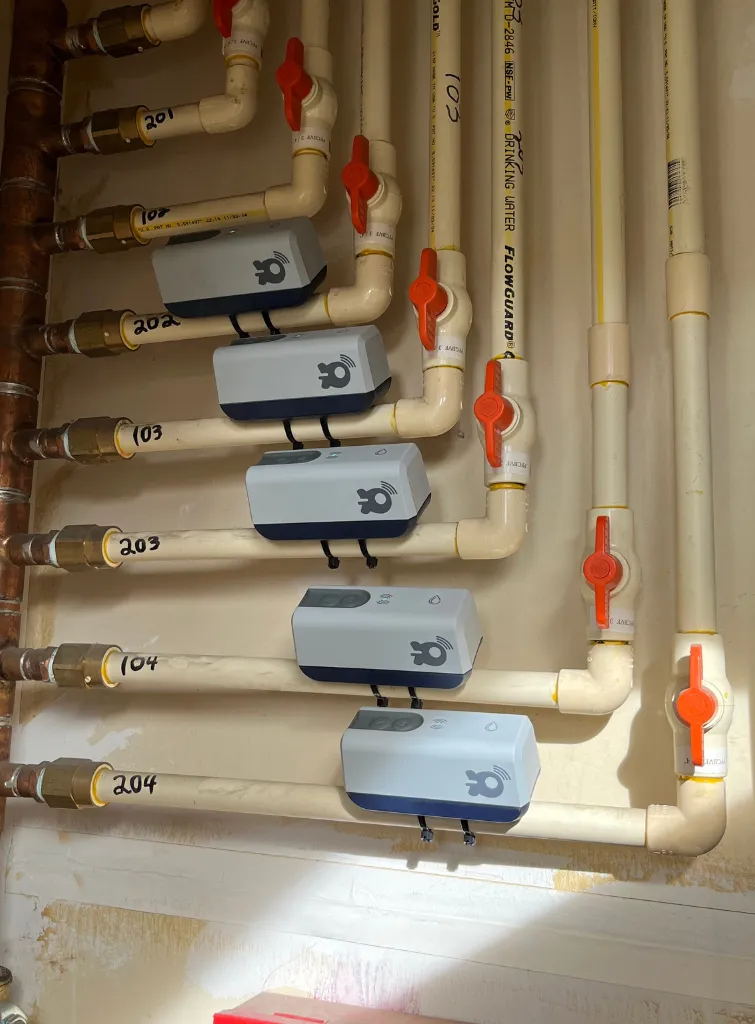
The heart of how water submetering works in apartments begins with individual plumbing connections. Instead of a single meter serving everyone, the main supply line from the city or utility is segmented, so each unit’s water feed is measured by its own meter.
Here’s a simplified overview of the process:
1. Assess the Building’s Plumbing Layout
Skilled technicians evaluate whether the property’s existing piping will support separate meters for each unit.
2. Install Meters on Each Line
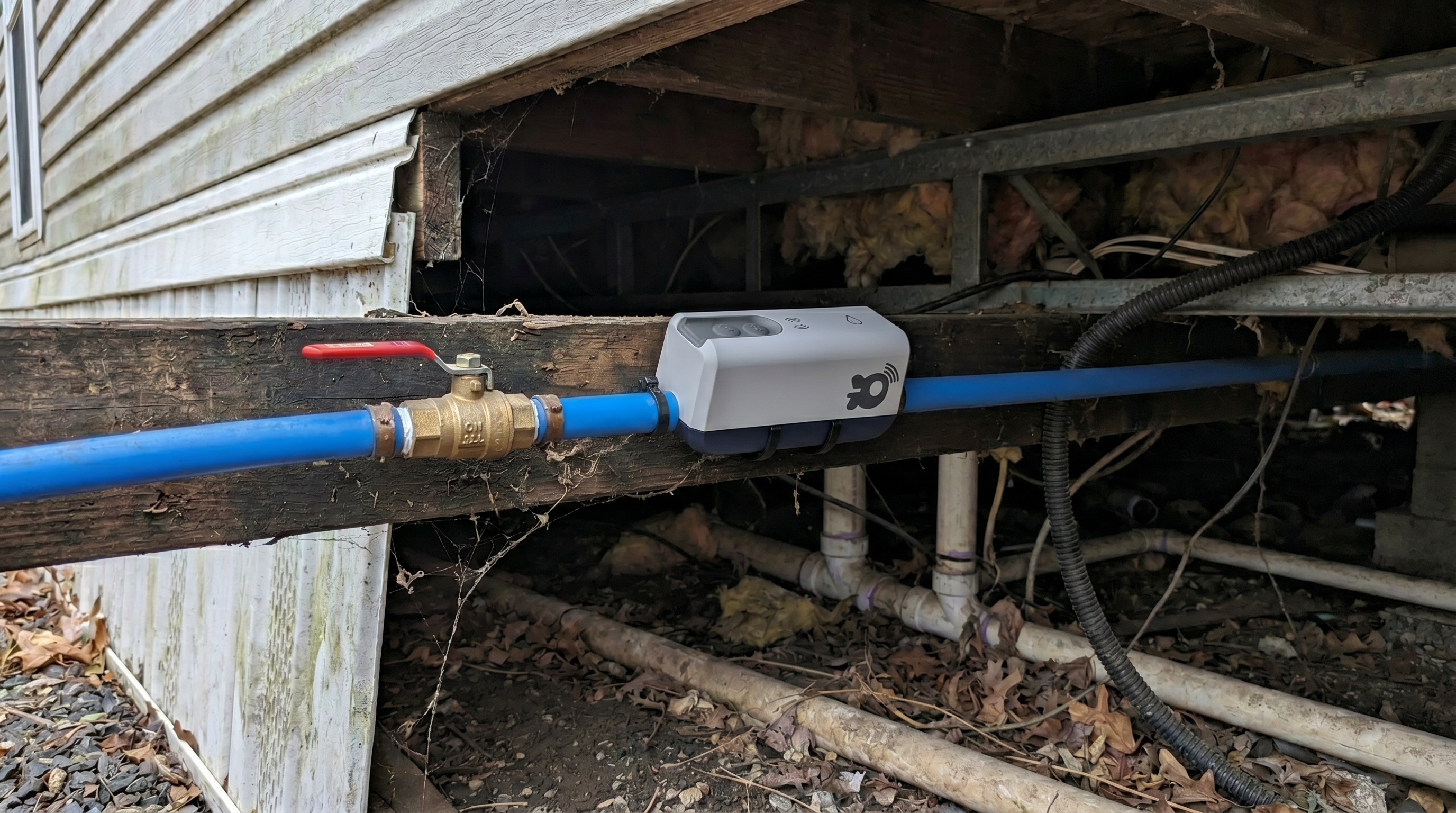
Over-the-pipe water meters (or other types of meters) are attached to the individual branch lines that feed each apartment. These meters register exactly how much water flows through them.
3. Ensure Accessibility
Meters must be accessible for reading, either manually or via a wireless system, without disrupting tenants.
4. Connect to a Data Platform
Advanced units link to software that collects usage data in real time, providing both tenants and managers with accurate consumption numbers.
You can find a detailed implementation checklist in the Step-by-Step Checklist for Implementing a Water Submetering System here.
These steps are crucial because they ensure that billing accurately reflects individual usage, not shared estimates.
Submeter Water Flow Tracking
Once installed, modern submeters do more than simply record totals. They continuously monitor water movement and translate that activity into actionable data for both operators and tenants.
- Real-Time Monitoring – Some systems report water flow continuously or at frequent intervals.
- Wireless Transmission – Data can be sent to a cellular-connected and battery-powered central platform where billing and analysis happen automatically.
- Usage Trends – Patterns over time show who’s using more or less water, helping property managers make informed decisions.
Tracking isn’t just about billing. It’s about visibility. When tenants can see their usage trends, they often voluntarily adopt water-saving habits. If you’ve ever wondered how water behavior changes when people pay for what they use, this type of monitoring is the answer.
This stage is also where leak alerts become possible. If a unit shows an unexpected spike in flow, maintenance teams can investigate before high bills arrive or damage escalates. In practice, this often means catching issues like running toilets or stuck valves within days instead of months, before they silently inflate bills or cause hidden water damage.
Data Collection
The data from these submeters doesn’t just sit on a meter dial anymore. It’s collected and analyzed using software platforms that do the following.
- Aggregate usage by unit.
- Identify outlier consumption.
- Track historical usage patterns.
- Alert to unusual spikes (possible leaks).
This data is gold for property owners and tenants alike. Property managers can see if a building as a whole is trending toward higher water use, and tenants can see how modifications to their behavior affect their bills. Many modern systems allow access via smartphone apps or online dashboards, which is something renters increasingly expect.
By comparing every unit’s data side by side, you can also spot inefficient appliances or potential plumbing issues before they become costly repairs. That kind of insight used to require guesswork. Today, it’s deterministic. In our experience, we see this most often when older fixtures or continuously running toilets go unnoticed, which is why unit-level data is so effective at surfacing issues that would otherwise stay hidden.
Actual Water Use Billing
This is where the rubber meets the road. Instead of a flat or apportioned charge, tenants receive a bill that matches their exact water usage.
Because billing is tied directly to individual meter data, tenants are more likely to perceive the system as fair. Plus, this usage-based billing structure will also do the following.
- Remove disputes over charges.
- Encourage conservation.
- Reduce overall building water costs.
- Improve tenant satisfaction.
In many cases, submetering adoption leads to significant water savings as tenants adjust consumption habits once they see exact usage reflected in their bills.
The precise, transparent, and fair approach is why many forward-thinking property managers now view submetering as the gold standard for newer multifamily communities.
FAQs about Water Submetering in Apartments

Here are some of the most commonly asked questions about water submetering in apartments.
1. What’s the difference between RUBS and submetering?
The ratio utility billing system (RUBS) allocates costs based on formulas. Submetering bills tenants based on their actual usage through dedicated meters. Submetering is more accurate and fairer.
2. Do water submeters detect leaks?
Yes, many modern systems flag unusual usage patterns and send alerts that help identify leaks early.
3. Will installing water submeters raise the rent?
Not necessarily. Many properties use submetering to shift water costs to usage-based billing, which can help keep base rent competitive.
4. How much can water use drop after installation?
According to industry data, water consumption typically decreases by 15–30% (or more) once tenants are billed for actual use.
5. Is water submetering required by law?
Some jurisdictions require submeters in new multifamily builds to encourage conservation, but requirements vary by location.
What’s Next?
If you manage or own an apartment property and want to improve fairness, efficiency, and profitability, it’s time to explore submetering. A well-designed multifamily water submetering system reduces waste and enhances tenant satisfaction, both of which help protect your assets.
You can get started by reviewing the Apartment Water Submetering Guide (for Fair and Profitable Billing). This will help you plan your next steps confidently.
Alternatively, Contact SimpleSUB Water today for a free demo.
*This blog post was written by water submetering specialists at SimpleSUB Water, a provider of unit-level water metering solutions for multifamily, HOA, and other residential and commercial properties across the U.S., with hands-on experience supporting thousands of individual units nationwide.
Disclaimer: This article is for educational purposes and reflects general industry practices. Water usage, billing structures, and regulations vary by region, utility, and property type. Always consult with licensed professionals and local authorities before implementing a water submetering system.
Sources and Further Reading:
https://naahq.org/news/improving-returns-and-esg-metrics-through-multifamily-submetering
https://www.simplesubwater.com/resources/the-complete-apartment-water-submetering-guide
https://www.simplesubwater.com/resources/ultimate-guide-to-water-submetering
https://mainlink.net/top-benefits-of-water-submetering-for-property-owners/
https://www.simplesubwater.com/how-it-works
Request a Demo
We'll design an affordable, easy-to-install solution for your submetering project, large or small.